Yes, dyeing your hair does cause damage. However, the extent of that damage depends on the type of dye you use, your hair’s starting health, and your aftercare routine.
How Hair Dye Works: The Chemical Reaction
To understand the damage, you have to understand the process. Your hair is protected by a cuticle (overlapping scales like shingles on a roof).
According to Healthline, permanent and semi-permanent dyes use a chemical reaction to lift these protective proteins so the color can penetrate the hair strand.
1. Ammonia (or a similar agent) swells the hair and opens the cuticle.
2. Peroxide (the oxidizing agent) breaks down your hair’s natural pigment.
3. New Pigment is deposited into the hair’s cortex.
This process fundamentally alters your hair’s protein structure, which can lead to common side
Common Side Effects of Hair Dyeing
When you alter the chemical makeup of your hair, you may notice:
- Loss of Hair Strength: The hair becomes more fragile and prone to snapping.
- Reduced Thickness: Over-processed hair can lose its natural volume and “plumpness.”
- Rough Texture: Because the cuticle doesn’t always “lay flat” again after being opened, your hair may feel like straw.
- Heat Sensitivity: Dyed hair has a harder time handling flat irons and blow dryers
Permanent vs. Semi-Permanent: Which is More Damaging?
Not all dyes are created equal.
- Permanent Dyes: These use the harshest chemicals (ammonia and high-volume peroxide) to ensure the color lasts until your hair grows out. This causes the most structural change.
- Demi-Permanent Dyes: These contain no ammonia and lower peroxide levels. They deposit color but don’t lighten your hair, making them much gentler.
- Temporary Dyes: These simply coat the outside of the hair shaft and wash out in 1-2 shampoos. They cause almost zero structural damage.
Is Bleaching Worse Than Dyeing?
Yes. While hair dye adds color, bleach removes it. Bleaching requires a stronger oxidation process that strips away both pigment and essential lipids (fats) that keep hair shiny. The more you lighten your hair (e.g., going from dark brown to platinum), the more damage occurs.
Which Hair Colors Damage Your Hair the Most?
| Color goal | Method | Damage level | Primary risk |
| Platinum or lightblonde | Bleaching | High | Protein loss & Snapping |
| Jet black or dark brown | Permanent tint | Medium | Scalp allergies |
| Vibrant red | Permanent / Demi | Medium -High | Overprocessing due to fading |
| Pastels(pink or blue) | Bleach + tint | Very high | Extreme dryness /elasticity loss |
| Natural glosses | Semi permanent | Low | Minima or l temporary dryness |
Important Warning: Allergic Reactions
- It’s not just your hair at risk; it’s your skin. Many permanent dyes contain paraphenylenediamine (PPD), a common allergen.
- Signs of an allergic reaction: Redness, itching, swelling of the eyelids, or sores on the scalp.
- The Golden Rule: Always perform a patch test 48 hours before dyeing your hair, even if you’ve used the brand before.
5 Ways to Minimize and Repair Hair Damage
You don’t have to give up your favorite shade. Follow these expert tips to protect your strands:
1. Use Dyes with Conditioning Agents
Look for formulas that include hydrolyzed silk proteins or natural oils. These help “fill in” the gaps in the cuticle during the dyeing process.
2. Space Out Your Appointments
The American Academy of Dermatology recommends waiting at least 8 to 10 weeks between coloring sessions, especially during the dry winter months.
3. Protect Against Heat
Since dyed hair is more vulnerable, always apply a thermal heat protectant before using hot tools. Better yet, let your hair air-dry whenever possible
4. Choose a “Near-Natural” Shade
The closer you stay to your natural color (within 3 shades), the less chemical processing is required. Going darker is generally less stressful on the hair than going lighter.
5. Deep Condition Weekly
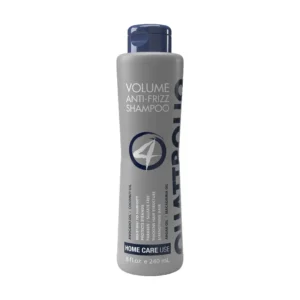
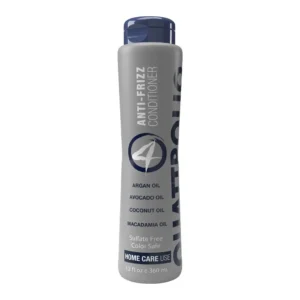
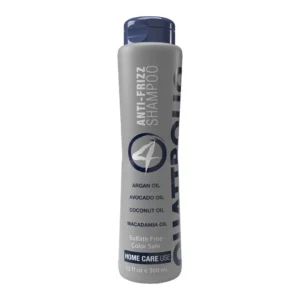
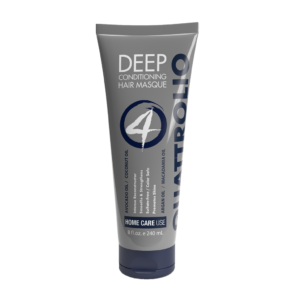
Use a hair mask or deep conditioner once a week to replenish the moisture lost during the chemical process. Look for ingredients like keratin or argan oil.
Can You Color Without Damage?
Yes! By switching to semi-permanent glosses, herbal rinses, or henna, you can maintain beautiful color without the “straw-like” texture.
The Ultimate Guide to Dyeing Your Hair Naturally
- Henna for the Fiery Soul: Pure Henna provides a permanent way of dying your hair rich coppers and deep auburns. It bonds with the keratin in your hair, making it feel significantly thicker and stronger.
- Indigo for the Deepest Brunettes: If you want a dark dying effect without the “inky” fake look, mixing Indigo with Henna creates shades ranging from milk chocolate to midnight black.
- Cassia for the Golden Glow: Often called “neutral henna,” Cassia is perfect for blondes who want a sun-kissed warmth and glass-like shine without traditionally dying their base shade.
- Pro Tip: Always finish your natural dying session with an Apple Cider Vinegar rinse. It lowers the pH of your hair, smoothing the cuticle and “locking in” the pigments you just applied.